

The Importance of Sports Physicals
Every season, thousands of kids lace up cleats, pull on shin guards, or step onto a mat for the first time and every one of them deserves a quick check-in with a pediatrician before they do. A sports physical, sometimes called a pre-participation physical exam (PPE), is a routine but important checkpoint that confirms your child's body is ready for the physical demands of organized sports. At Bright Pediatrics, we treat this visit as more than a form to sign; it's a genuine opportunity to catch small issues before they become bigger ones.
Ready to get your young athlete cleared for the season?

What Exactly Is a Sports Physical?
A sports physical is a focused medical exam designed specifically around athletic activity. It's different from an annual well-child visit because it zeroes in on the systems most affected by physical exertion: the heart, lungs, joints, muscles, and overall growth pattern. During the visit, your child's provider will typically:
- Review personal and family medical history, including any history of fainting, chest pain, or sudden cardiac events in relatives
- Check heart rate, rhythm, and blood pressure
- Evaluate lung function and ask about asthma symptoms, especially exercise-induced wheezing or shortness of breath
- Assess joints, muscles, and any prior injuries that could affect performance or safety
- Review growth, vision, and general physical readiness for the specific sport
- Discuss concussion history and current concussion-safety understanding
Why Sports Physicals Matter More Than a Checkbox
It's easy to think of a sports physical as paperwork standing between your child and tryouts. In reality, it serves several purposes that protect your child long after the form is signed:
- Catching hidden risks early. Some conditions, like certain heart arrhythmias or undiagnosed asthma, don't show symptoms during everyday activity but can become serious under the stress of competitive sports. A sports physical is often the first place these are identified.
- Reviewing old injuries before they become new ones. A previous ankle sprain, growth-plate injury, or concussion may need extra attention or a modified return-to-play plan. Your child's provider can flag this before the season starts, not after a re-injury sidelines them.
- Opening the door to honest conversation. Sports physicals give kids, especially teens, a private moment to talk with their doctor about topics they might not bring up otherwise: nutrition, hydration, supplement use, body image pressures, or stress related to performance and playing time.
- Supporting long-term athletic health. Pediatricians look at the whole picture, not just this season. That includes growth trends, hydration habits, and whether a child is specializing in one sport too early, which can increase overuse injury risk.
Don't wait until the week before tryouts.
Book your child's sports physical online or call our Dalton office at 706-529-4600 or Fort Oglethorpe office at 706-841-0150 to reserve a spot.
Our Locations
Sports Physicals vs. Well Child Visits: What's the Difference?
Parents often ask whether a sports physical can replace or be replaced by an annual well visit. While there's overlap, they serve different purposes. A well child visit is a comprehensive look at your child's overall health, development, and preventive care needs, including immunizations. A sports physical is narrower and sport-specific, focused on clearing your child for physical activity. Many families choose to combine the two visits when timing allows, since some elements, like blood pressure and growth checks, are shared between them.
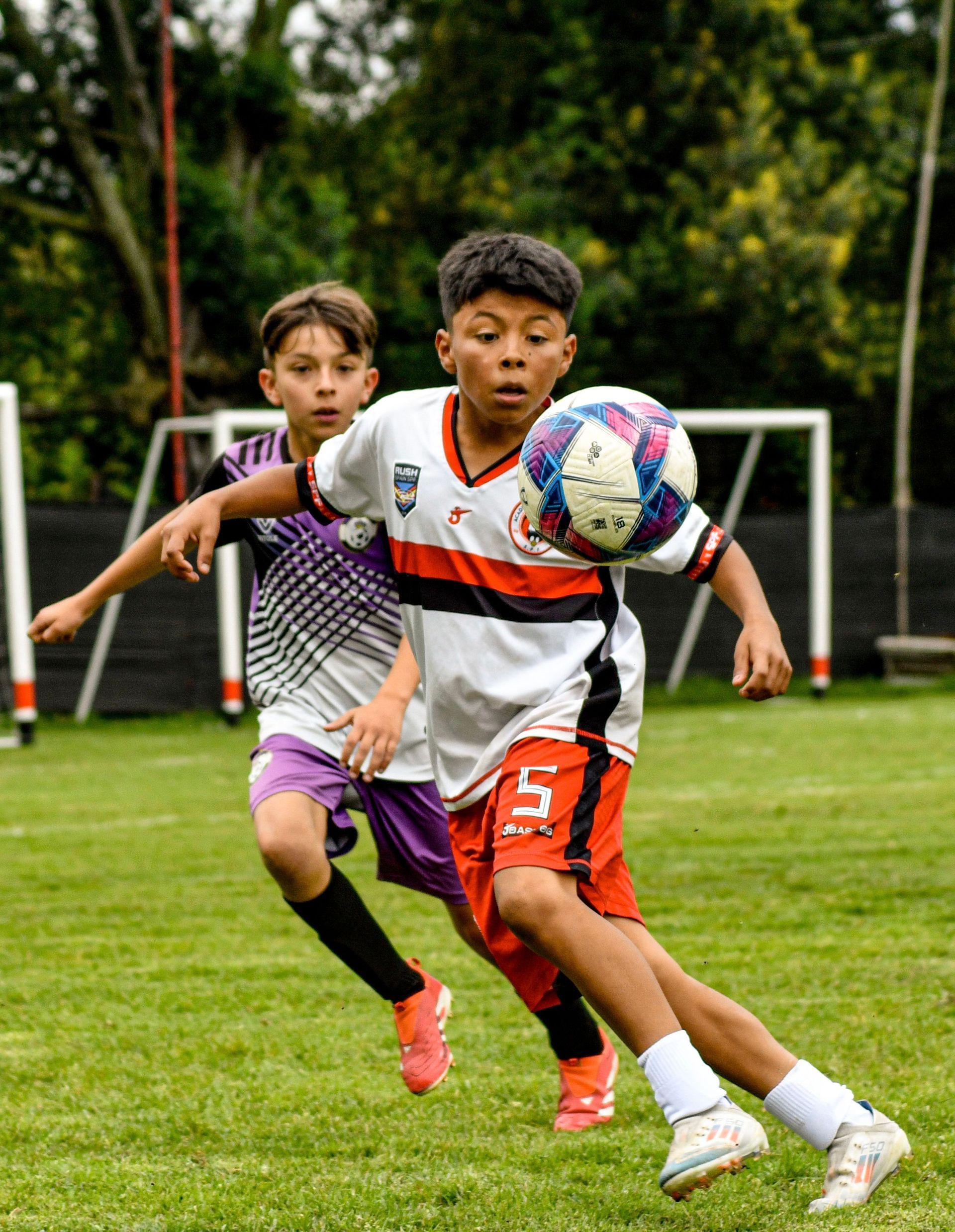
When Should Your Child Get a Sports Physical?
Most schools and leagues require a sports physical before each new season, and we recommend scheduling one 4 to 6 weeks ahead of practice. That buffer gives your child's provider time to follow up on any concerns before the season starts.
Waiting until the week before tryouts leaves little room to act if something needs a closer look, so earlier is always better. It also helps you beat the back-to-school rush, when appointment requests for sports physicals tend to spike across every pediatric office in the area. Scheduling early means less stress for you and a more thorough, unhurried visit for your child.
What to Bring to Your Visit
Arrive prepared with:
- Required physical exam form
- List of current medications/supplements
- Immunization records, if not filed
- Notes on recent injuries or symptoms
- Questions about your child's sport, as contact, endurance, and weight-class sports vary.
How long does a sports physical take?
Most sports physicals take about 15 to 20 minutes, though the first visit for a new patient may take a bit longer while we gather medical history.
Does my child need a new sports physical every year, or can one last multiple seasons?
Most schools and athletic associations require a new physical every 12 months, even if your child played the same sport the previous year. Growing bodies change quickly, so an annual re-check is standard practice.
Can a sports physical be done at the same time as my child's annual well visit?
In many cases, yes. If the timing lines up, we can often address both in a single visit. Let our scheduling team know when you book so we can plan enough time for both.
What happens if the doctor finds something during the physical?
If a potential concern comes up — like an irregular heartbeat, asthma symptoms, or an old injury that hasn't fully healed — we'll discuss next steps with you directly. That might mean additional testing, a referral to a specialist, or a modified activity plan. The goal is always to get your child safely back to the sport they love, not simply to say no.
Is a sports physical the same as a physical for school enrollment?
Not always. Some schools require a general physical for enrollment separate from an athletic clearance form. If you're unsure which form your child needs, bring both to your visit and we'll make sure everything required gets completed.
Do sports physicals cover concussion history?
Yes. Reviewing prior concussions and current symptoms is a standard part of the exam, since head injury history can affect clearance and may prompt a conversation about additional precautions during play.
What if my child hasn't had a physical in a while — is it too late before the season starts?
It's rarely too late, but earlier is always better. Scheduling a few weeks ahead gives us time to follow up on any findings before the season's first practice.
Frequently Asked Questions
Meet the Providers Behind Every Clearance
Sports physicals at Bright Pediatrics aren't handled by a rotating cast of unfamiliar faces. They're performed by the same board-certified pediatricians and clinicians who provide well and sick visits for our patients every day. That continuity matters: a provider who already knows your child's growth history, prior injuries, or other health concerns is better positioned to catch something a one-time clinic visit might miss.
Our providers stay current on pediatric sports medicine guidance, so families can trust that a clearance from Bright Pediatrics reflects a genuine evaluation, not a rubber stamp. If a concern comes up during the exam, you'll be talking with a provider equipped to guide next steps, not just refer you elsewhere.

Give Your Young Athlete a Strong Start This Season
A sports physical is a small time investment that pays off in peace of mind for you and for your child. Our providers are here to make sure every young athlete steps onto the field, court, or mat as prepared and protected as possible.